Comparisons
Static vs Dynamic QR Codes
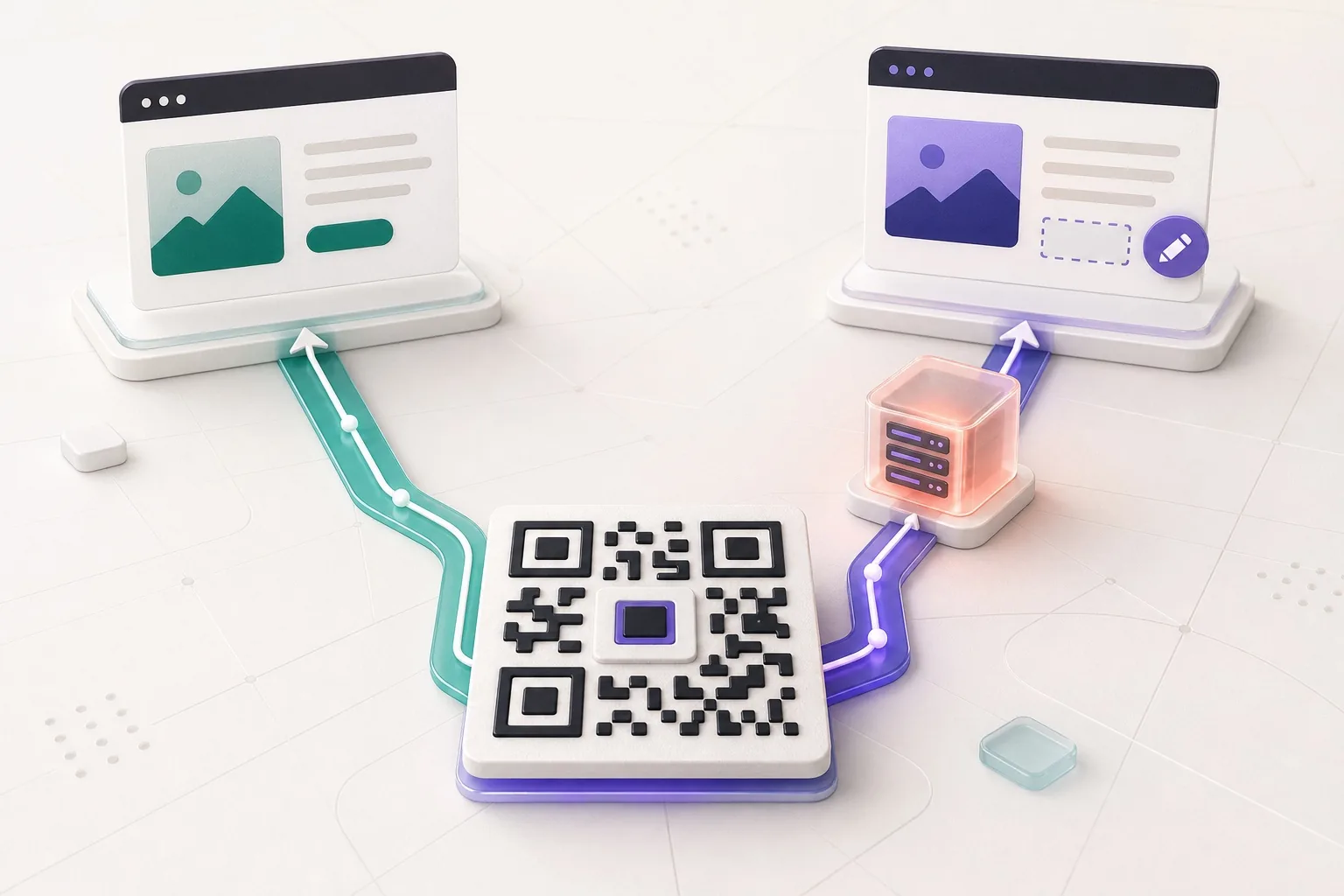
What the redirect actually buys you, measured on real encoded codes, and which payloads are worse off for it.
16 min readPut in your number and get a code that opens a WhatsApp chat with you. Nobody has to save your number first, and you can set the message they start with. It is built in this tab and read back before the download unlocks.
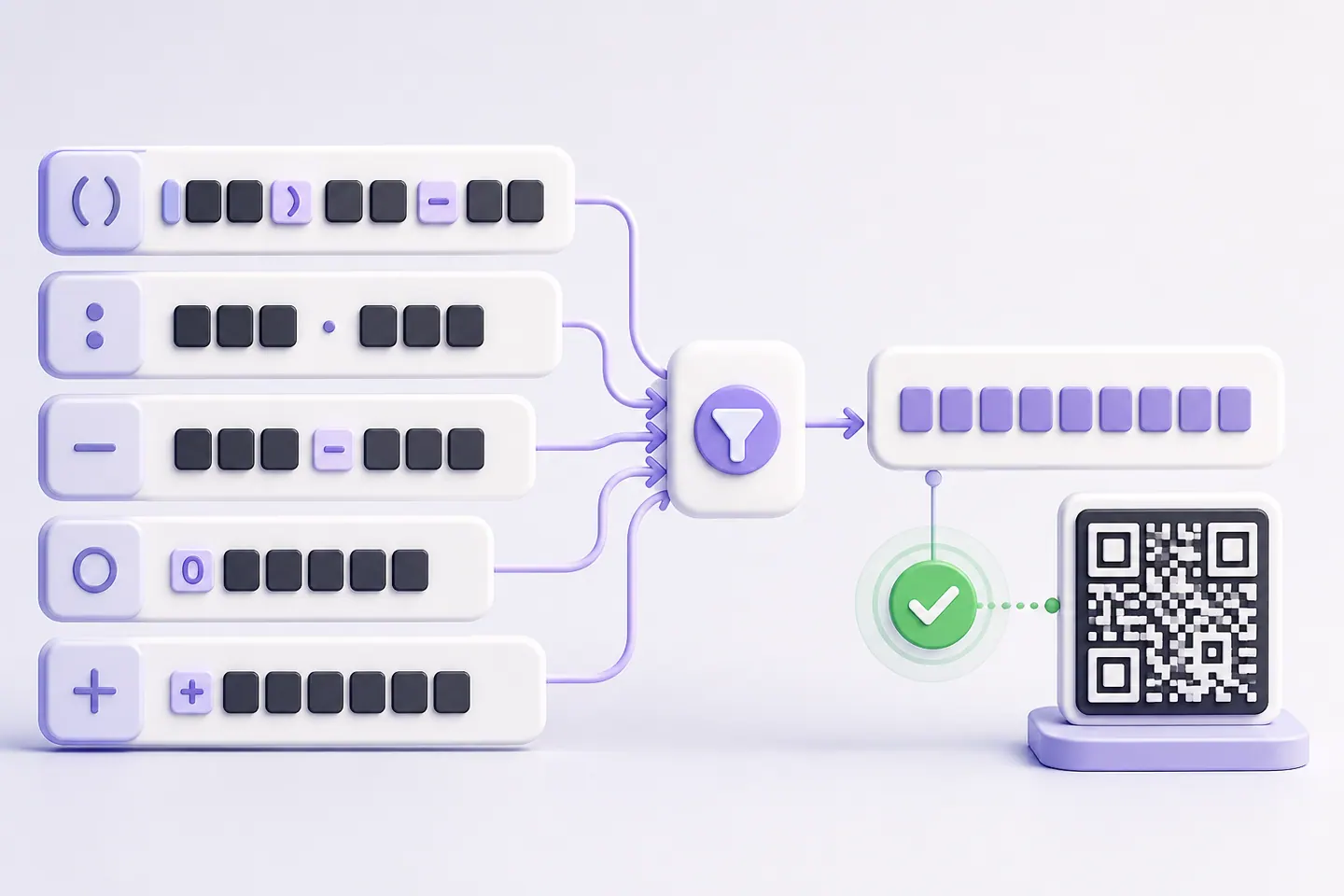
Type it however you like. The plus, the spaces and the zero you dial at home are all removed for you, and anything changed is listed below.
This lands in their message box ready to send, not sent. They can edit or delete it first.
Enter a number to see the code.
Worth saying early, because a large share of people searching for a WhatsApp QR code want the other one. The code on web.whatsapp.com is a login. It encodes a session that WhatsApp creates and rotates every few seconds, which is exactly what stops somebody else signing in as you, and it means no generator anywhere can produce one.
If that is what you came for: open web.whatsapp.com on the computer, then on your phone open WhatsApp, go to linked devices, and scan the code on the screen. You need the phone that already has your account. If you want to read what some other WhatsApp code contains, the scanner shows you the text without opening anything.
Every one of these is a formatting problem rather than a WhatsApp problem, which is why the tool fixes them and then tells you what it changed instead of just refusing the number.
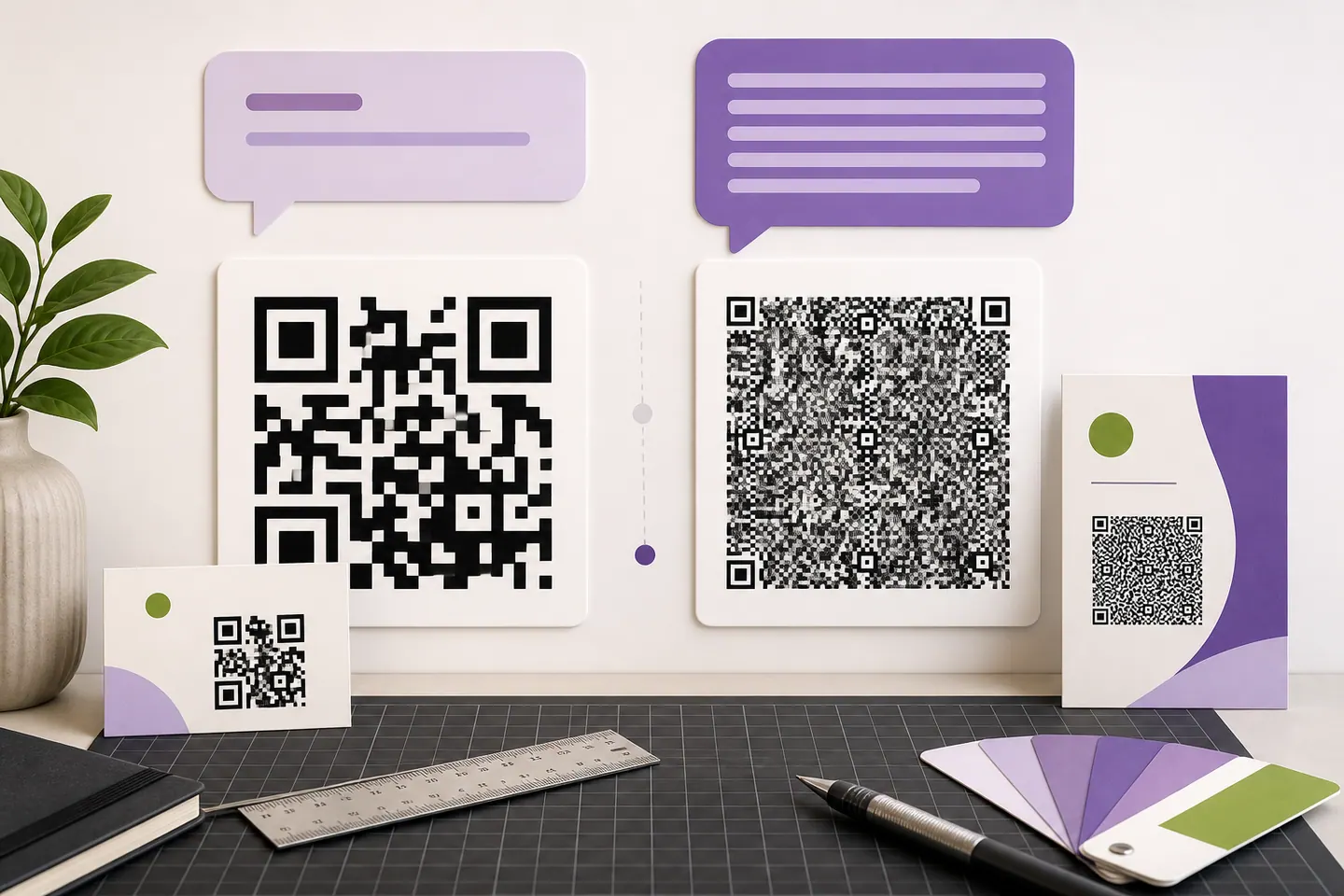
The message is part of the link, so it is part of the code. A longer message means more data, more modules, and a denser pattern that has to be printed larger to stay readable. A short line like "Table for 2 tonight?" costs almost nothing. A paragraph can push the symbol up several versions, which matters if the code is going on a business card rather than a poster.
If you want to see what that costs in printed millimetres, the printing size guide measures it.
If the number ever changes, a printed code pointing at the old one is waste paper. A dynamic code can be repointed after it is printed, which is worth it for anything going on signage rather than a one-off flyer.
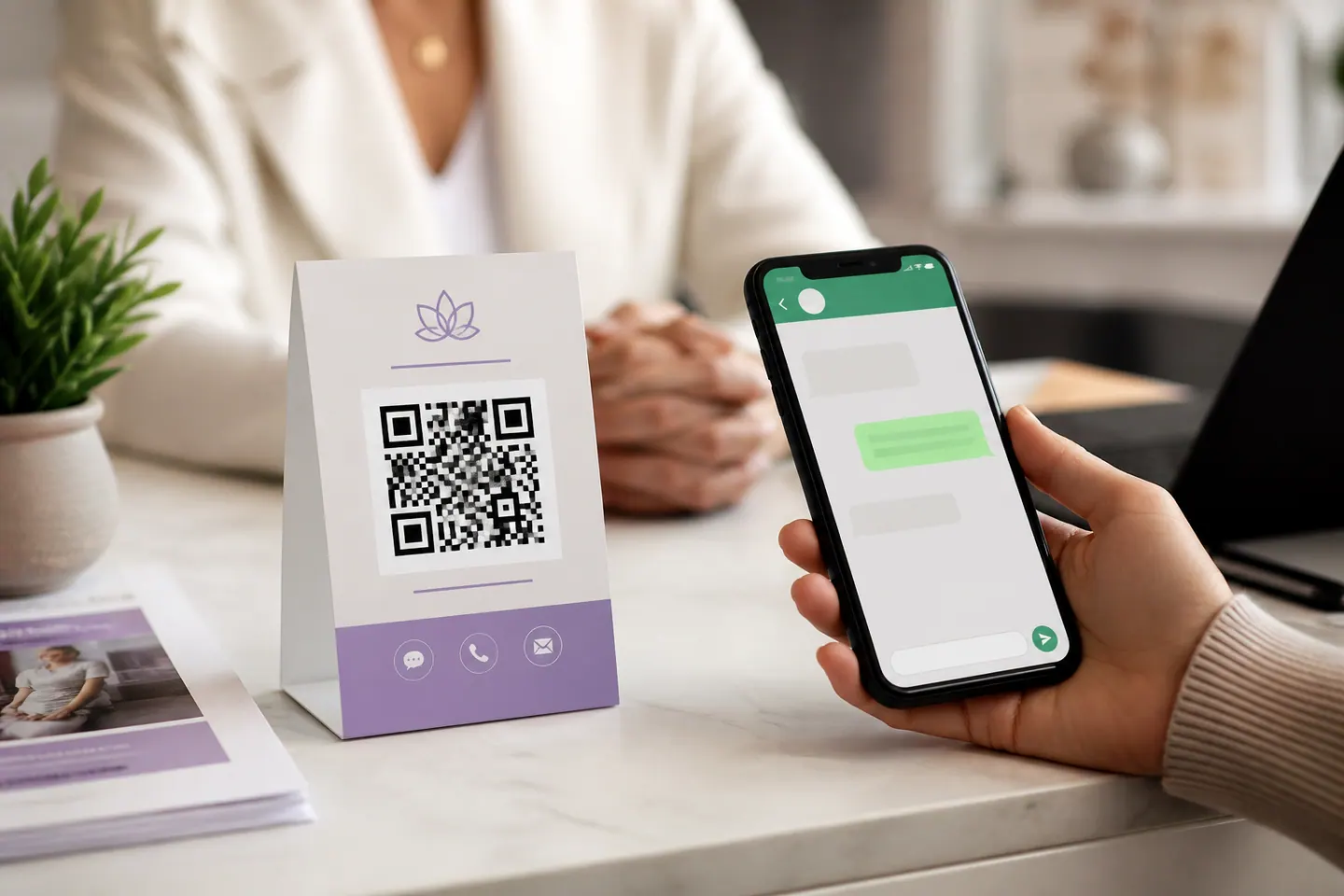
Put in your country code and your phone number, add a message if you want one ready in the box, and the code appears. It encodes a wa.me link, which is WhatsApp's own format, so scanning it opens a chat with you in whatever WhatsApp the person already has. There is no account and nothing is installed.
Almost always the number kept the zero used for dialling inside the country. A UK mobile written 07700 900123 has to be 447700900123 internationally, with no zero and no plus. This tool removes both and tells you what it changed, so you can see the number that actually got encoded.
No, and nothing can generate that one. The code on web.whatsapp.com encodes a login session that WhatsApp creates and rotates every few seconds, which is what stops someone else logging in as you. To use WhatsApp Web, open web.whatsapp.com on the computer and scan the code it shows with the phone that already has your account.
Yes. It goes into the link and lands in the sender's message box, ready but unsent, so they can change it or delete it first. It is useful for a specific enquiry, as in a table booking or a quote request, because you know what people are asking about. Keep it short: every character goes into the code and makes the pattern denser.
No. That is the point of the link. Scanning opens a chat with your number without anyone adding you as a contact first, which is why businesses put these on receipts, menus and shop windows.
No. A wa.me link works with an ordinary WhatsApp account. Business accounts add things like a catalogue and automatic replies, and none of that changes the link or the code.
Yes. The number is inside the code in plain text and anyone who scans it can read it, which is unavoidable because the number is what makes the chat open. For a business line that is the intention. For a personal number, consider whether the code is going somewhere public.
Twelve platforms, each with the link form that prints smallest and the mistake that kills its codes.
What the redirect actually buys you, measured on real encoded codes, and which payloads are worse off for it.
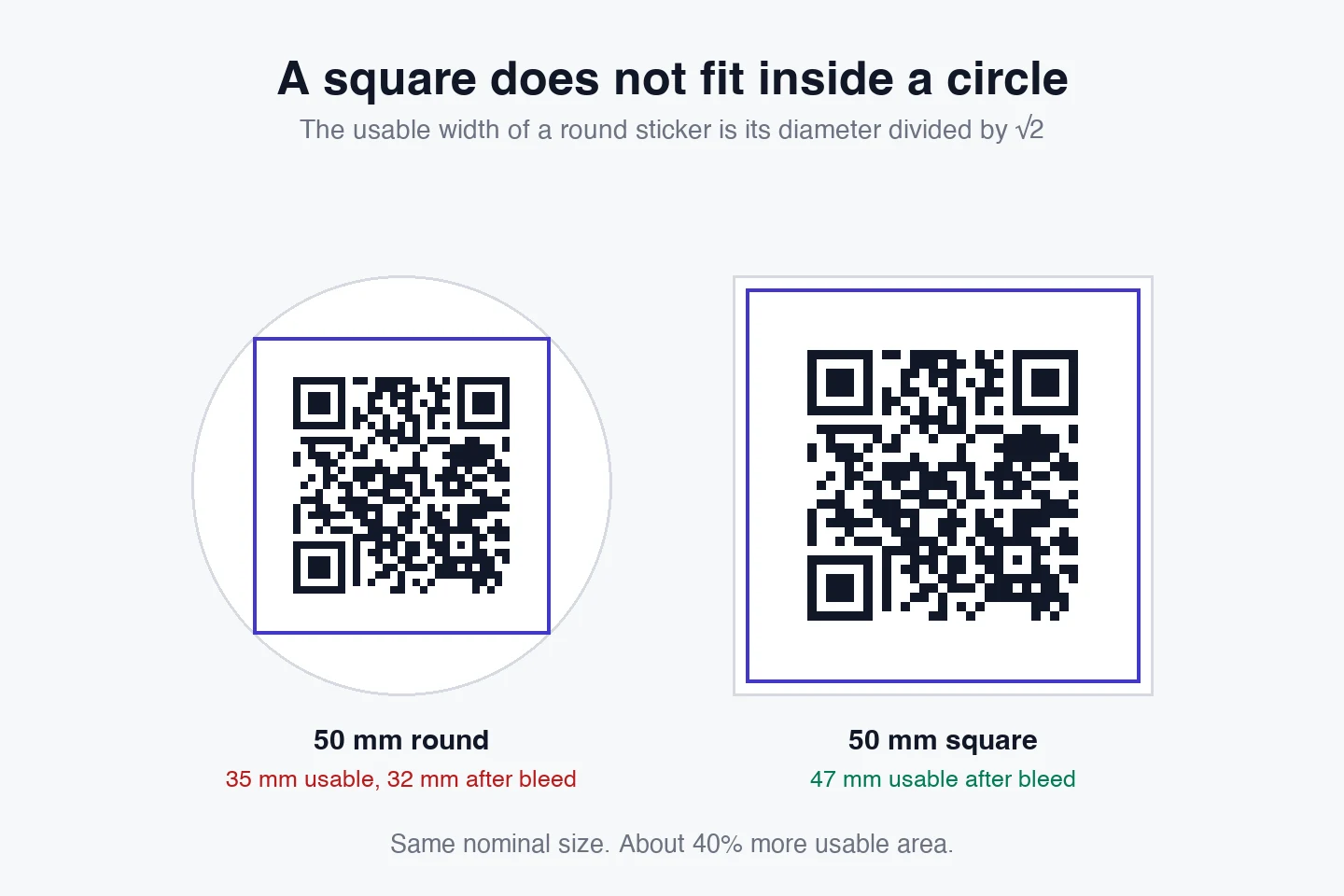
16 min readThe usable square inside a round sticker is 70% of its diameter. Measured minimum sizes for real links, against every common sticker size.
8 min readWhat each platform already ships, the measured cost of each payload type, and how to check an offline claim yourself.
26 min readQRMakery builds every code on your own device. Your phone number is turned into a link in this tab and never reaches a server.